Washi Font: A Hand-Drawn Typeface for Crafters
As a maker who spends hours perfecting the edges of a sticker sheet or aligning text on a custom candle label, I know that typography is not just an afterthought. It is the voice of your brand. When I first discovered Washi, the debut font from designer Jillian Adriana, it felt like finding the perfect washi tape roll in a cluttered craft drawer. It is playful, textured, and undeniably charming. This hand-drawn font brings a tactile quality to digital designs, bridging the gap between screen and physical product with remarkable ease.
For those of us running small shops on Etsy, managing boutique storefronts, or creating printable planners, the right typeface can elevate a simple design into a bestseller. Washi belongs to the Script Amp collection, a category known for its expressive and artistic Fonts. With 193 glyphs, this typeface offers more than just standard letters; it provides a toolkit for creating cohesive, professional-looking handmade goods that resonate with customers seeking authenticity and warmth.
The Visual Personality of Washi
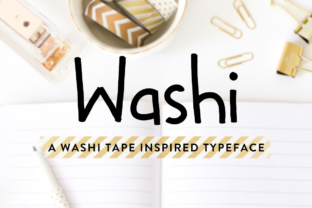
The defining characteristic of Washi is its inspiration. Modeled after the beloved adhesive tapes used in journaling and scrapbooking, every glyph features little hand-drawn details that mimic the texture and irregularity of paper and ink. This is not a sterile, computer-generated script. It has personality. The lines vary slightly in weight, giving it an organic feel that looks intentional rather than accidental.
This visual charm makes Washi an excellent choice for brands that want to project approachability and creativity. Whether you are designing a logo for a bakery, a header for a wedding invitation, or a quote for a wall art print, the font communicates a sense of care and human touch. In a market saturated with generic sans serif options, a premium font like Washi helps your products stand out by offering a distinct aesthetic that feels curated and personal.
Practical Applications for Makers and Sellers
The versatility of Washi lies in its ability to function across various mediums. Because it is a display font, it shines brightest when used for short phrases, names, titles, and decorative wording. Here is how you can integrate this creative font into your product line:
- Product Labels and Packaging: Imagine a minimalist soy candle with a kraft paper label. Using Washi for the scent name, such as "Lavender & Sage," adds a soft, artisanal touch that complements the natural ingredients. It works equally well for boutique clothing tags, jar labels for homemade jams, or stickers on soap bars.
- Wedding and Event Stationery: Wedding welcome boards, place cards, and menu templates benefit greatly from the romantic yet playful vibe of Washi. It pairs beautifully with floral illustrations, making it a top choice for invitation designers looking for a modern typography solution that still feels traditional and elegant.
- Digital Printables and Planners: If you create digital downloads, Washi is ideal for header elements in planner pages, habit trackers, or greeting cards. Its readability ensures that even at smaller sizes, the text remains legible while retaining its decorative flair.
- Seasonal Crafts and Signs: For holiday-themed projects, such as farmhouse-style wooden signs or vinyl decals for mugs and tote bags, Washi adds a festive, hand-lettered look without the need for actual hand-lettering skills. It is perfect for phrases like "Hello Autumn" or "Cozy Vibes."
Readability and Production Tips
While Washi is incredibly attractive, practical application requires attention to detail. As a script font, it is designed for impact, not for long paragraphs. Avoid using it for body text on product descriptions or lengthy letters. Instead, reserve it for headlines, logos, and accent words.
When using cutting machines like Cricut or Silhouette, ensure you weld the letters if the software requires it to maintain the connected flow of the script, although Washi’s individual character charm often looks best when letters are spaced slightly apart to highlight the hand-drawn details. For small stickers or product labels, test print your designs at actual size. The intricate details that make Washi unique should remain clear and not blur together. If you find the text too dense at small scales, increase the tracking (letter spacing) slightly to improve legibility.
Font Pairing for Brand Consistency
To maximize the impact of Washi, pair it with complementary typefaces. A common mistake is pairing two decorative fonts, which creates visual clutter. Instead, balance the expressive nature of Washi with a clean, neutral partner.
- Pair with a Sans Serif Font: A simple, geometric sans serif font provides a modern contrast that lets Washi take center stage. This combination is perfect for logo design and packaging design, where clarity is key.
- Pair with a Simple Serif Font: For a more classic or literary feel, such as in book covers or vintage-inspired invitations, pair Washi with a traditional serif font. This creates a sophisticated hierarchy that guides the viewer’s eye.
Consistent font pairing strengthens your brand identity. When customers see the same combination of Washi and a clean secondary font across your social media graphics, website, and physical products, it builds recognition and trust.
Technical Features and Licensing
Before purchasing any commercial font, it is essential to review the technical specifications. Washi includes 193 glyphs, which suggests a robust character set. Check for included styles, alternates, ligatures, and swashes. These features allow you to customize the look of your text, preventing repetition in longer words and adding unique flourishes to capital letters. Additionally, verify multilingual support if you plan to sell to international customers or create designs in multiple languages.
File formats are another critical consideration. Ensure you receive the necessary formats for your workflow, such as OTF or TTF for desktop use in programs like Photoshop, Illustrator, or Canva. If you are creating SVG-style designs for cutters, you may need to convert the font or use software that supports font-to-SVG conversion.
Finally, always review the licensing agreement. Most premium fonts offer different licenses for personal and commercial use. If you are selling physical products, templates, printables, or digital downloads, you must have a commercial license. This protects your business and respects the intellectual property of designer Jillian Adriana. Using properly licensed design assets ensures your shop remains professional and compliant, allowing you to focus on what you do best: creating beautiful, handmade items.
Incorporating Washi into your design toolkit is more than just adding a new font; it is about enhancing the emotional appeal of your products. By choosing a typeface that reflects the care and creativity you put into your craft, you connect more deeply with your audience. Whether you are labeling a jar of honey or designing a wedding suite, Washi offers the perfect blend of whimsy and professionalism to help your brand shine.